Effective Strategies for Safe and Humane Wildlife Removal Solutions
Proper wildlife removal necessitates a balanced approach that prioritizes the safety and well-being of animals. Metropolitan regions commonly struggle with various animal species. Identifying these common problems is essential for proper animal control. Applying ethical trapping practices and effective relocation solutions can considerably lessen anxiety for the affected animals. Homeowners can also play a role in prevention. Grasping these approaches can result in improved harmony with nearby wildlife, but the details of implementation are key.
Recognizing Typical Wildlife Issues in Urban Environments
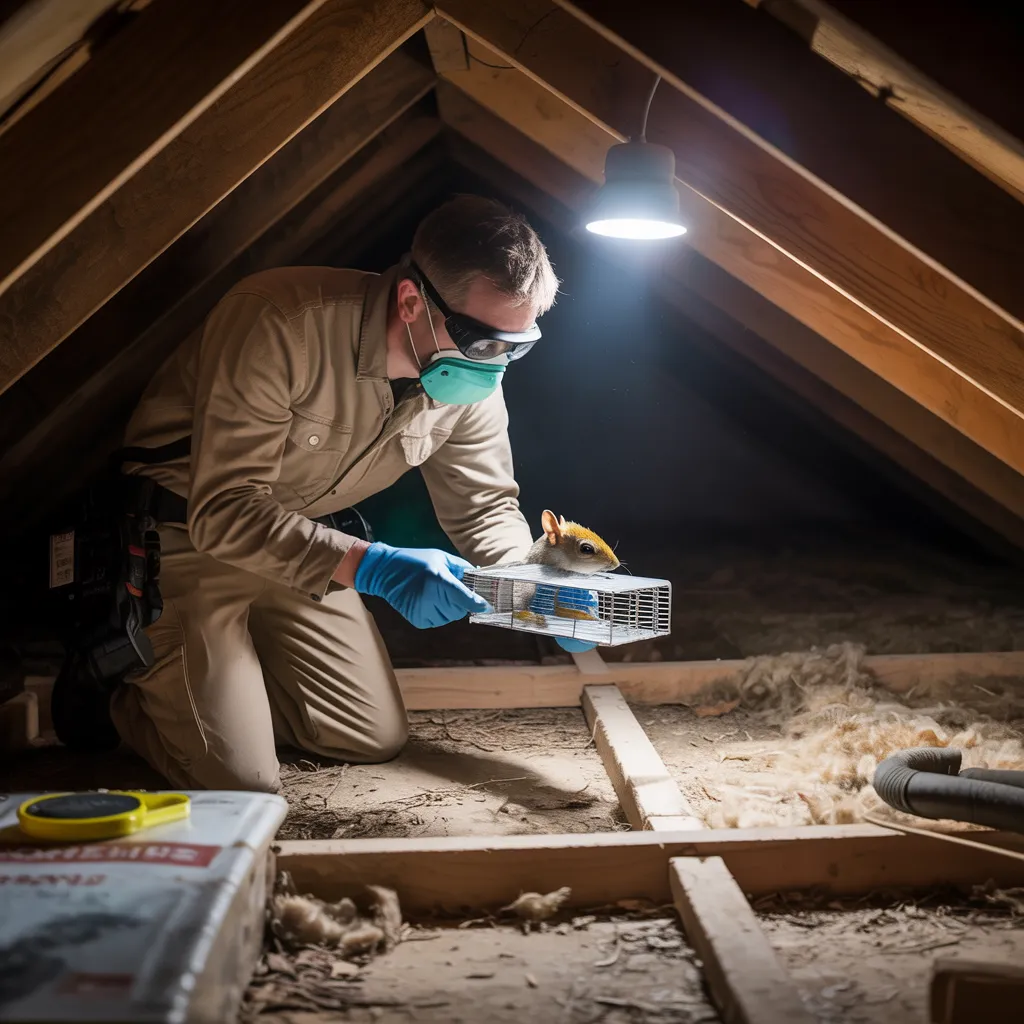
As metropolitan areas develop, they frequently experience a range of wildlife issues that can disrupt both ecosystems and human life. Frequent concerns involve the presence of raccoons, squirrels, and pigeons, which frequently search for food and shelter in neighborhoods. Raccoons are notorious for searching through trash, while squirrels are capable of causing harm by settling in attics or destroying electrical cables. Pigeons create health concerns as their waste can contain harmful bacteria. Furthermore, stray cats and dogs may accelerate local wildlife reduction by hunting indigenous species. The reduction of natural habitats contributes to escalating human-wildlife confrontations, commonly leading to physical damage and public safety challenges. Recognizing these challenges is vital for communities seeking to maintain harmony between city growth and local ecosystem conservation, ultimately fostering coexistence between humans and wildlife.
Essential Prevention Strategies for Wildlife Intrusions
Proven prevention strategies are critical for reducing wildlife intrusions in residential areas. Closing off entry points and preserving clean environments are two primary tactics that can substantially decrease the probability of unwanted animal encounters. By tackling these critical elements, property owners can establish a less appealing setting for animals in search of refuge or sustenance.
Secure Entry Points
When residents adopt proactive strategies to block access points, they greatly minimize the risk of wildlife intrusions. Recognizing vulnerable access points, such as gaps in siding, cracks in foundations, and openings around utility lines, is essential. Utilizing sturdy materials including steel mesh, caulk, and weather stripping can successfully seal these weak points. Furthermore, homeowners should guarantee that doors and windows fit snugly, fitting door sweeps to stop small creatures from entering. Routine examinations of rooftops and attic spaces can assist in identifying compromised sections that could become access points. By addressing these vulnerabilities promptly, homeowners create a less inviting environment for wildlife, thus improving the security and condition of their homes while encouraging ethical wildlife management approaches.
Maintain Clean Spaces
Keeping tidy areas in and around the home considerably lowers the likelihood of wildlife intrusions. Routinely removing clutter, such as piles of leaves or wood, reduces possible shelter spots for animals. Effective garbage disposal is critical; securing garbage in sealed containers prevents attracting pests. Moreover, food remnants left outdoors can lure wildlife, so it's important to clear away debris after outside meals or social events. Consistent outdoor upkeep methods, such as cutting back dense bushes, clear potential shelter and access points for animals. In addition, guaranteeing that pet provisions are secured within the home and giving pets their food within the house can prevent nuisance animal encounters. By adopting these proven protective measures, homeowners can greatly enhance their defenses against wildlife, developing a protected and pleasant living area.
Safe and Humane Methods for Trapping Wildlife?
Trapping wildlife requires careful consideration to guarantee it is done in a safe and humane manner. Essential considerations involve identifying the correct trapping device, selecting suitable bait, and utilizing humane release methods. Recognizing these factors is essential for reducing discomfort and injury to the animals involved.
Picking The Right Trap
What steps can guarantee a compassionate method while picking the correct trap for wildlife? Choosing the appropriate trap is essential for guaranteeing the health and welfare of the animal. Distinct species demand particular trap designs, such as live traps for smaller mammals or sizable enclosure traps for larger wildlife. The trap must be constructed to limit distress and physical harm, including gentle surfaces and adequate space for the enclosed wildlife. Additionally, it's necessary details to consider the placement of the trap, making sure it is placed in locations where unintended animals face minimal risk. Consistent trap inspection is essential to promptly release any captured wildlife, additionally reinforcing compassionate methods in wildlife management.
Bait Selection Advice
Identifying the right bait is essential for effectively and humanely trapping wildlife. Various species possess unique dietary habits that should be taken into account. For example, fruits such as apples or berries attract raccoons, while squirrels are often lured by peanut butter or nuts. Fresh, natural bait significantly improves the chances of a successful trap; synthetic or outdated bait can discourage animals from entering the trap. Furthermore, harmful or toxic substances should be avoided to prevent unnecessary animal suffering. The placement of bait within the trap also plays a significant role; the bait must be arranged to draw the animal completely inside. Monitoring the habits of the intended species can reveal helpful information for optimal bait selection, supporting a compassionate method of managing wildlife. Ultimately, choosing the right bait significantly improves trapping success.
Safe Release Techniques
Proper bait selection lays the groundwork for a productive trapping experience, but the journey doesn't stop there. Once wildlife has been captured, the focus shifts to safe release techniques. Trappers ought to identify release areas that feature fitting habitats removed from residential zones. It is critical to examine the animal's wellbeing before releasing it to verify it has not been harmed or distressed. Reducing the amount of time spent handling the animal can help alleviate stress in trapped wildlife. When opening the trap, trappers should do so slowly, allowing the animal to exit at its own pace. Monitoring from afar can offer the animal a greater sense of comfort and security. These humane practices guarantee that wildlife is returned to their natural environment without unnecessary harm or trauma.
Moving Approaches for a Considerate Departure
When wildlife encounters create challenges for property owners, implementing thoughtful relocation strategies can facilitate a compassionate exit for the animals involved. Essential to proper relocation is developing a clear understanding of the particular behaviors and requirements of the species concerned. This involves identifying suitable release locations that offer sufficient food sources, adequate shelter, and protection from natural predators.
Timing is also essential; conducting the relocation during optimal weather conditions reduces stress on the animals. Employing humane capture traps ensures the wildlife is captured safely and allows for gentle transport to their new environment.
Post-move tracking can assist in determining the success of the plan, verifying that the wildlife adapts well to its new surroundings. By prioritizing these strategies, homeowners can contribute to the welfare of local wildlife while managing their own issues. Such an approach not only cultivates coexistence but also promotes a deeper connection with the natural world.
When Is It Time to Call a Professional for Wildlife Removal?
When should homeowners turn to professionals for help with wildlife removal? Residents should think about calling in specialists when they face wildlife that carries potential health dangers, including raccoons or bats, which are known to transmit diseases. Furthermore, when animals have made their way into difficult-to-access spaces, such as attics or walls, trained experts have the equipment and knowledge required for safe removal.
Indicators of substantial damage to property, like damaged wires or insulation materials, also require specialist involvement to stop further damage. If more than one animal is present, or if circumstances worsen, professionals can analyze the conditions accurately. Additionally, local regulations may require a qualified specialist for particular animals, guaranteeing adherence to wildlife regulations. Ultimately, when the safety of residents, structural integrity, or regulatory obligations are concerned, enlisting a professional is the most prudent course of action for homeowners facing wildlife challenges.

Reasons Humane Wildlife Removal Is Essential for Homeowners
Empathy toward wildlife is a crucial factor for homeowners dealing with animal intrusions. Compassionate animal removal prioritizes the well-being of animals while effectively addressing unwanted guests. By using non-lethal methods, property owners can ensure that uprooted wildlife is moved securely and responsibly, minimizing discomfort and injury to the creatures.
In addition, choosing ethical solutions fosters a feeling of responsibility and ethics in households, connecting their behavior to environmental awareness. This approach can also mitigate legal risks, as most jurisdictions have regulations protecting certain wildlife species.
Moreover, humane animal removal limits the potential for damage to property and promotes more balanced ecosystems. Through recognizing the critical nature of peaceful coexistence with animals, residents can take proactive measures to avoid future wildlife incidents, such as closing off access points and applying proven deterrents. Ultimately, compassionate animal removal not only supports animal welfare but also enhances the homeowner's peace of mind.
Common Questions and Answers
What Are the Legal Requirements for Wildlife Removal in My Region?
Legal requirements for the removal of wildlife differ depending on the region, often requiring permits for particular species. It is important to seek guidance from local wildlife agencies to learn about applicable laws, including humane treatment standards and potential restrictions on certain removal methods.
How Can I Tell if Wildlife Is Causing Property Damage?
Evidence of wildlife causing property damage include chewed wires, visible holes, strange noises, or droppings, particularly at night. Property owners are advised to conduct routine inspections to detect problems early before they develop into serious damage.
Do My Pets Face Any Risks During Wildlife Removal?
During wildlife extraction, pets can encounter risks including tension, likely interactions with wildlife, or exposure to hazardous substances. Making sure pets are kept in a secure location can mitigate these concerns effectively.
How Long Does the Wildlife Removal Process Generally Take?
Wildlife removal usually takes anywhere from a few hours to several days, subject to considerations like the species involved, the extent of the infestation, and the complexity of the methods used for removal.
What Should I Do When Wildlife Comes Back After Removal?
When wildlife comes back after being removed, one should reassess the property for entry points, fortify any barriers in place, and look into hiring a professional for assistance. Making certain that food sources are removed can also help prevent re-infestation and encourage lasting solutions.